Yelp My Lists: What Local Business Marketers Should Do in 2026
Yelp's new My Lists connects saved favorites with personalized recommendations. Here's how to prepare your business profile and review workflow.
Yelp My Lists brings personal favorites into local discovery
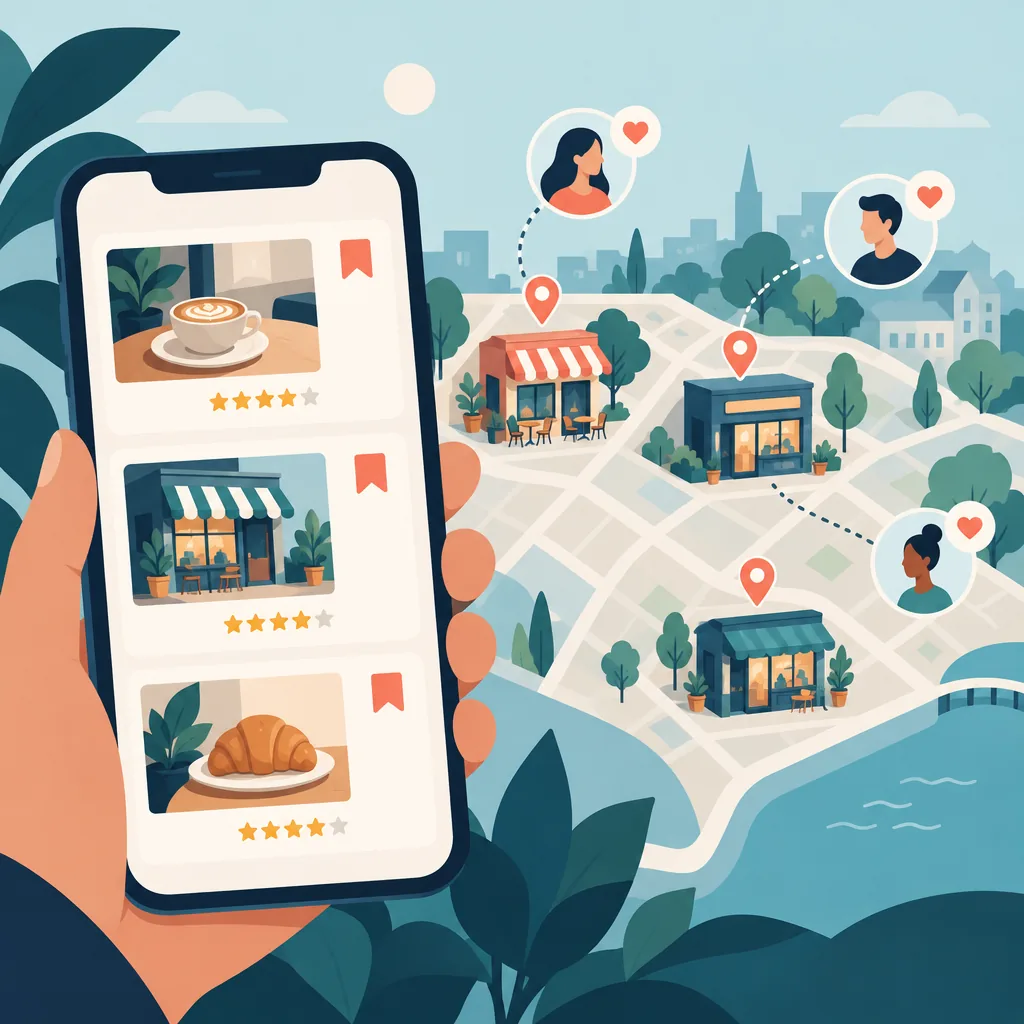
On October 20, 2026, Yelp announced My Lists, a feature that lets people save, rank, and share local businesses. Its next step matters for marketers: Yelp says weekly personalized recommendations based on users' visited-place lists and rankings will begin in November 2026. That's a specific product change worth preparing for, especially if your business already attracts customers through Yelp. Yelp's announcement
For a restaurant, salon, or neighborhood retailer, the practical question is what someone finds when a friend shares your business or they return to a saved listing. Start by reviewing that experience.
Understand what My Lists actually changes
Yelp describes two list types: "Been Here" for businesses someone has visited and "Want to Go" for places they're considering. The company says My Lists is available on iOS and Android, with lists viewable on desktop. Its announced November recommendations will draw on "Been Here" lists and rankings. Keep that planned timing separate from features already available. Yelp's announcement
PPC Land's coverage adds useful detail: users can reorder entries, add notes, and share lists through messaging or social channels. Saved businesses also receive a save icon as their map pin in applicable search results. PPC Land's product breakdown
Treat this as another route through which customers can revisit and discuss your business. A useful preparation exercise is to open your listing on a phone and assess whether a first-time visitor could confidently plan a visit.
Keep the SEO interpretation narrow
Don't build a campaign around a promised ranking boost. PPC Land notes that Yelp hasn't said whether these personal rankings feed search ranking or advertising targeting. Neither its coverage nor Yelp's announcement establishes a Google local ranking benefit. PPC Land's analysis
The reasonable marketing inference is narrower: shareable lists and personalized recommendations create additional opportunities for people to encounter business profiles. Their effect on your bookings or sales still needs to be measured.
Keep My Lists preparation within your existing reputation and profile-maintenance work. There's no evidence here to justify buying a separate "list optimization" service.
Audit the details a saved visitor will need
Choose one real customer situation and inspect your profile against it. For a restaurant, imagine someone reopening a saved listing before Saturday dinner. For a salon, imagine a customer comparing options for a specific treatment.
Check these details against your current operations:
- Hours, including upcoming holiday exceptions.
- Address, entrance information, and phone number.
- Menu or service information and working website links.
- Photos that accurately represent the current premises and offering.
- Booking instructions that make sense on a mobile screen.
Then ask a colleague who doesn't manage the listing to complete the same task. Have them identify anything they'd need to call about before visiting.
Record the problems and assign an owner to each correction. Avoid adding promotional language that your team can't substantiate. If weekend walk-ins are uncertain, explain the booking process clearly wherever you control that information.
Use reviews to check your positioning
Before rewriting your business description, read a manageable sample of recent reviews. Note the concrete reasons customers chose you, what they appreciated, and what surprised them.
For example, suppose a hypothetical cafe promotes itself as a quiet workspace, but recent reviewers repeatedly describe loud weekend brunches. Investigate the mismatch before repeating that positioning. You might need more precise information about quieter hours rather than a broader claim about the atmosphere.
Yelp's own guidance recommends looking for recurring feedback themes and using them to identify improvements. Yelp's moderation and response guidance
ReviewHive can support this audit by bringing customer reviews from multiple platforms into one dashboard and tracking rating trends. Use that shared view to compare feedback, then read the underlying comments before deciding what to change. A rating trend should prompt investigation, not substitute for it.
Make public replies useful to the next visitor
Yelp advises businesses to address concerns professionally and, when appropriate, offer an explanation or solution. It also points out that public responses are visible to prospective customers. Yelp's response guidance
Apply that advice to the specific uncertainty in a review. If someone describes difficulty finding your entrance, verify the signage and directions before replying. Explain the correction once it's complete. If the situation requires private details, provide a direct contact route.
ReviewHive's AI-assisted reply drafts can help prepare a response. Have someone familiar with the incident check every factual statement and promised action before publishing.
Keep review solicitation out of the plan
A new discovery feature doesn't change Yelp's review-request rules. Yelp tells businesses not to solicit reviews, run staff review-collection competitions, or offer incentives for reviews. Yelp's solicitation policy
Brief your team before launching any related promotion. Don't turn interest in My Lists into a request for a Yelp review or a reward tied to one.
For an initial monthly check, log profile corrections, recurring complaints, reply coverage, and any customers who voluntarily mention finding you through a shared list. Treat those mentions as directional feedback, not proof of incremental revenue.
If you'd like a more consistent starting point, use ReviewHive to bring your reviews together, follow rating trends, and prepare thoughtful replies while your team focuses on the customer experience behind them.