Blog
Insights and tips on how to optimize your online reputation, enhance customer satisfaction, and drive business growth

FTC review enforcement is moving from theory to practice. Here is how SMBs can use testimonials, ratings, and review pages without crossing the line.

AI answers and Google Maps results are shortening the local buyer journey. Your reviews need to answer trust questions before the click.

Google's Gemini can now draft GBP review replies. Here's how SMBs should use it without losing policy control or brand voice.

Review gating can cost SMBs trust, fresh reviews, and even Google Business Profile visibility. Here is how to ask safely in 2026.

Consumers are raising the bar on star ratings, review volume, recency, and replies. Here is how local businesses can respond safely.

Review platforms and customers are rewarding specific, genuine feedback. Here is how SMBs can ask for better reviews without crossing policy lines.

Google AI Mode is turning reviews into decision data. SMBs need fresher, broader, better answered feedback across local platforms.

Platforms are removing AI-written reviews at scale. Here is how local businesses can ask for authentic feedback without risking trust.
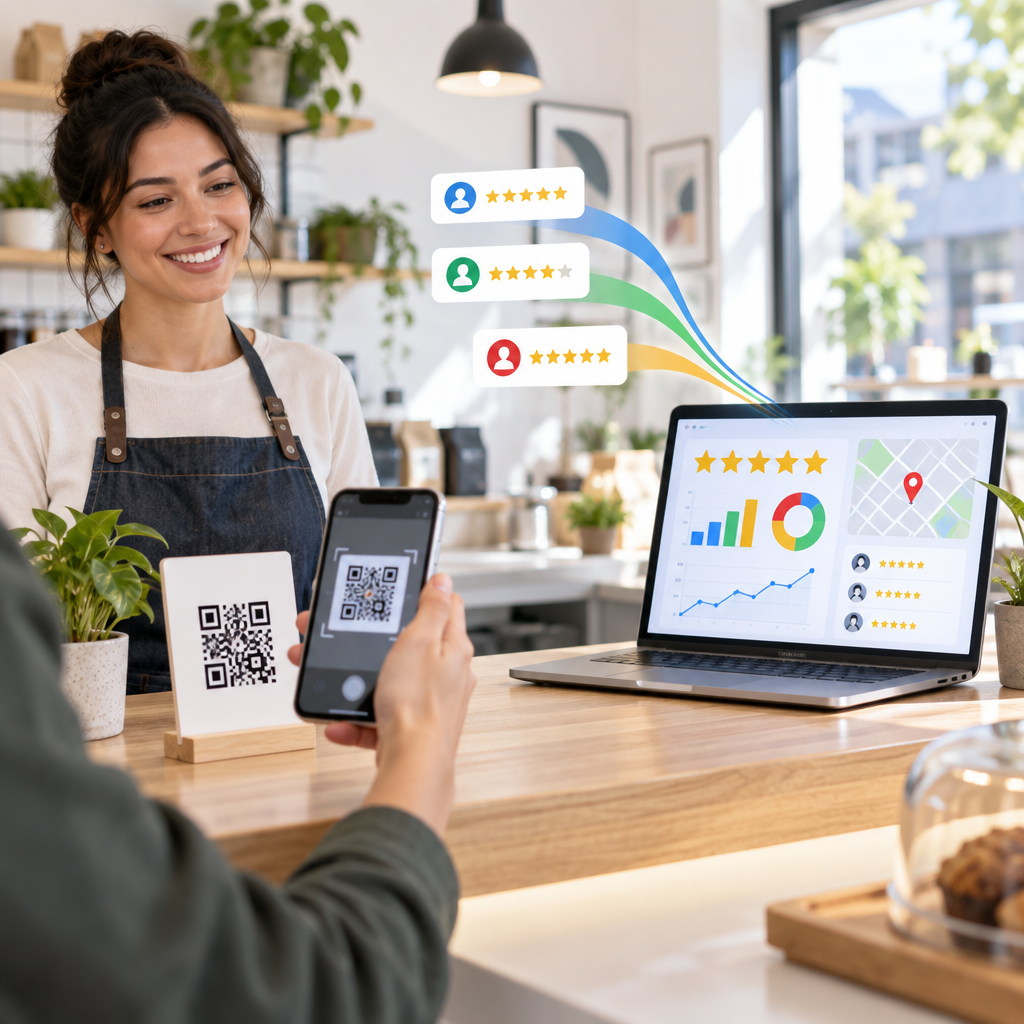
Google now provides review QR codes inside Business Profile. Use them carefully to collect fresh reviews without gating, incentives, or pressure.

Yelp is turning review text into AI topic scores. Here is how SMBs can adapt review requests, replies, and sentiment tracking.

Google's 2026 Business Profile edit alerts make listing accuracy a reputation workflow, not a set-and-forget local SEO task.

Google AI Search is surfacing more firsthand perspectives. Local brands need review themes, reply discipline, and cross-platform consistency.

Google Maps is turning reviews into conversational answers. Here is how SMBs should manage details, recency, and replies.

Customer photos are becoming practical proof in local search. Here is what SMBs should monitor across reviews, profiles, and replies.

Google can pause, hide, or flag reviews when suspicious activity appears. Here is how SMBs should monitor review health without risky shortcuts.

Viral posts can trigger off-topic reviews fast. Here is how local businesses should monitor, document, respond, and recover.

TikTok GO turns local discovery into booking. SMBs should prepare reviews, ratings, and replies before customers tap through.

Yelp data in ChatGPT makes reviews part of AI local discovery. Here is how SMBs should audit profiles, reply faster, and track trends.

AI search and review platforms now summarize recurring review themes, so SMBs need to manage reputation beyond star ratings.

Apple Maps review activity is rising. Here is how SMBs can track ratings, photos, and place-card signals without losing focus on Google.

Google Search can now call local businesses for prices and availability. Here’s how SMBs should tighten reviews, listings, and replies.

Consumers expect fast review replies, but generic AI drafts can hurt trust. Here is how SMBs can use AI without sounding automated.

Fake 1-star review attacks are becoming a real SMB reputation risk. Here is how to spot, document, and report extortion fast.

Review incentives are under tighter scrutiny. Here is how SMBs can request more reviews without creating legal or platform risk.

Video reviews are moving into local discovery. Here is what SMBs should monitor across Google, Yelp, TikTok, and review dashboards.

Platforms are filtering AI-written reviews. Here is how SMBs can use AI safely for monitoring, analytics, and faster replies.

Customers now check Google, AI tools, social, and review sites before choosing. Here is how SMBs can manage reviews across channels.

Yelp now uses AI to grade response quality. Here is how SMBs can write faster, more specific review replies across every platform.

Compare ReviewHive, Birdeye, Podium, Reputation, and ReviewTrackers on review coverage, analytics, AI replies, and practical value.

Consumers want recent reviews, consistent themes, and fast replies. Here is how SMBs can build a fresh review program without risky shortcuts.

Consumers now expect fast, personal review replies. Here is how SMBs can use AI drafts without sounding generic or risking trust.

AI search is turning reviews into instant local answers. Here is how SMBs can protect reputation, accuracy, and response quality.

AI review moderation is raising the bar for local reputation management. Here is how SMBs can protect trust and stay visible.

Fake reviews now carry legal, platform, and ranking risk. Here is how SMBs can protect trust while still growing review volume.

AI review summaries are reshaping local search. Learn how SMBs can earn clearer, more useful review themes without policy risk.
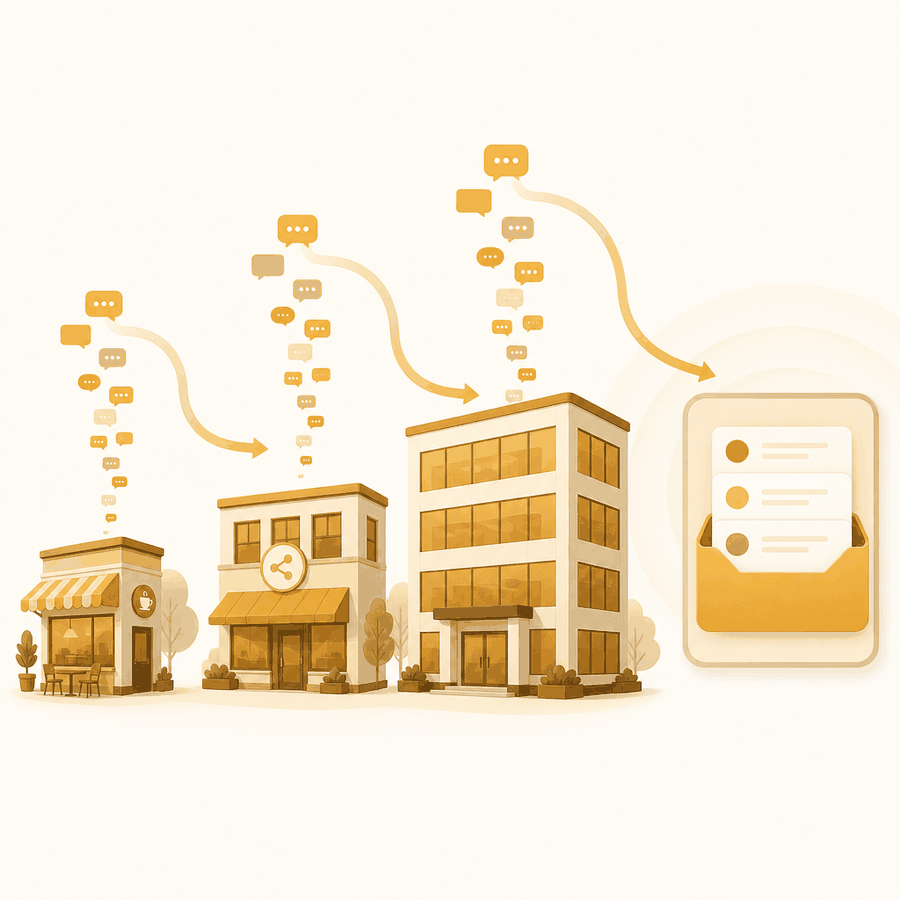
89% of consumers expect a reply to their review, and half are put off by a templated one. That squeeze looks different at a café, a regional chain and an enterprise, but the underlying failure is identical.

ReviewHive's Dashboard and Reports now have an All time range, so you can track your average rating, review volume and reputation across your entire review history.

ReviewHive is back and in active development. Here's what we've been up to, what's new for managing your Google and Facebook reviews, and what's coming next.

Google Reviews are crucial for businesses to rank higher on Google, build trust and credibility with potential customers, and improve their online reputation.
Uncover the strengths and weaknesses of 5 popular SaaS tools in 2023 for review management in this comprehensive comparison post.

By monitoring, responding, encouraging, and showcasing reviews, businesses can improve their online reputation and attract more customers.

AI-powered review management improves efficiency, customer satisfaction, provides insights, and allows businesses to effectively manage their online reputation.

By following and responding to online reviews with AI and ML, businesses can improve reputation, increase customer satisfaction, and drive growth.