Google Business Profile Edits in 2026: The Reputation Risk SMBs Need to Monitor
Google's 2026 Business Profile edit alerts make listing accuracy a reputation workflow, not a set-and-forget local SEO task.
Google Business Profile Edits in 2026: The Quiet Reputation Risk SMBs Need to Monitor
Google Business Profile management is getting more active, more automated, and more tightly connected to online reputation. In April 2026, Google said Maps users shared more than 1 billion reviews and suggested 80 million updates to business hours, contact information, and other profile details in 2025. That volume explains why profile accuracy can no longer be treated as a quarterly local SEO cleanup task.
The practical change for SMB owners and marketers is simple: your reviews, ratings, hours, category, phone number, and profile edits now belong in the same operating rhythm. A business can respond quickly to every review and still lose trust if Google Maps shows the wrong hours, an outdated service area, or a suggested edit that no one reviewed in time.
What changed with Google Maps profile edit alerts
Google announced new protections for businesses on Maps in April 2026, including proactive email alerts for verified and active Business Profile owners. The goal is to help owners review important suggested edits before they appear publicly.
That does not mean every edit waits for owner approval. Google Business Profile documentation says Google gathers information from sources such as user reports and licensed content. If Google sends a suggested edit notification, the owner may have 4 days to accept or reject it. If there is no response, Google may publish the update when it is supported by other public information, such as the business website. Google also says some suggested user edits can be applied without prior review.
For a small business, that creates a new review-management habit: check profile edit notifications as fast as you check new reviews. The alert window is short, and the public impact can be immediate.
Why profile accuracy affects reputation, not only rankings
Google's local ranking documentation still points to relevance, distance, and popularity as the main factors behind local results. It also says complete and accurate business information makes a Business Profile more likely to appear for relevant local searches. More reviews and positive ratings can help local ranking, while helpful owner replies can make a business stand out.
Those facts connect profile accuracy and review performance. If your profile category is wrong, Google may have a weaker understanding of what you do. If your hours are outdated, a customer may arrive to a closed door and leave a negative review that could have been prevented. If your phone number or booking link is stale, a strong star rating may not convert into calls, reservations, or appointments.
BrightLocal's 2026 Local Consumer Review Survey adds another reason to care. Consumers expect high ratings and fresh reviews, and 82% read AI-generated review summaries when making decisions. If AI summaries, Maps snippets, and profile details all influence the same buying moment, the business needs one coordinated view of the customer-facing record.
Build a weekly profile change audit
A useful audit does not need to be complicated. It needs to be consistent.
Start with the fields Google itself highlights for local ranking and profile completeness: address, business hours, category, and relevant details such as parking or Wi-Fi. Add phone number, website link, appointment link, services, products, photos, and attributes. For multi-location businesses, assign a named owner for each location rather than leaving alerts in a shared inbox no one checks.
Next, compare the profile against the business website. Google says suggested edits can be supported by public information, including the website, so stale site content can indirectly create listing problems. Holiday hours, seasonal services, temporary closures, and location pages should match the live profile.
Finally, capture changes in a simple log. Record the date, field changed, source if known, action taken, and who approved it. That record helps when a ranking dip, call drop, or review complaint appears a week later. It also gives agencies and internal marketers a calmer way to explain what changed.
Treat review spikes and removals as operational alerts
Google's 2026 Maps update also addressed review abuse. Google said that if it sees a sudden spike in spam reviews, it can remove fake content, pause new reviews on the profile, alert the owner, and show a notification banner explaining why contributions are paused. Google also reported that in 2025 it blocked or removed more than 292 million policy-violating reviews, blocked 79 million inaccurate or unverified edits, placed posting restrictions on more than 782,000 policy-violating accounts, and removed over 13 million fake Business Profiles.
That is good news for legitimate businesses, but it also means review monitoring should watch for platform actions, not just customer sentiment. A sudden rating movement, missing reviews, a review pause, or a spike in similar complaints should trigger a response workflow.
Do not report every negative review. Google says only reviews that violate policy are eligible for removal, and it warns businesses not to report reviews simply because they dislike or disagree with them. If a review is reported, evaluation typically takes several days, and eligible cases may have a one-time appeal path.
Use AI for speed, but keep approvals human
Google is also connecting more small-business workflows to AI. In June 2026, Google announced Gemini features that can connect to Google Business Profile, use context such as customer reviews, questions, and performance data, and help draft review responses or identify profile gaps.
That direction is useful, but it raises the bar for source data. AI-assisted replies and recommendations are only as good as the profile and review data behind them. A business should still have a human approve sensitive profile changes, review responses to angry customers, and reports for suspected policy violations.
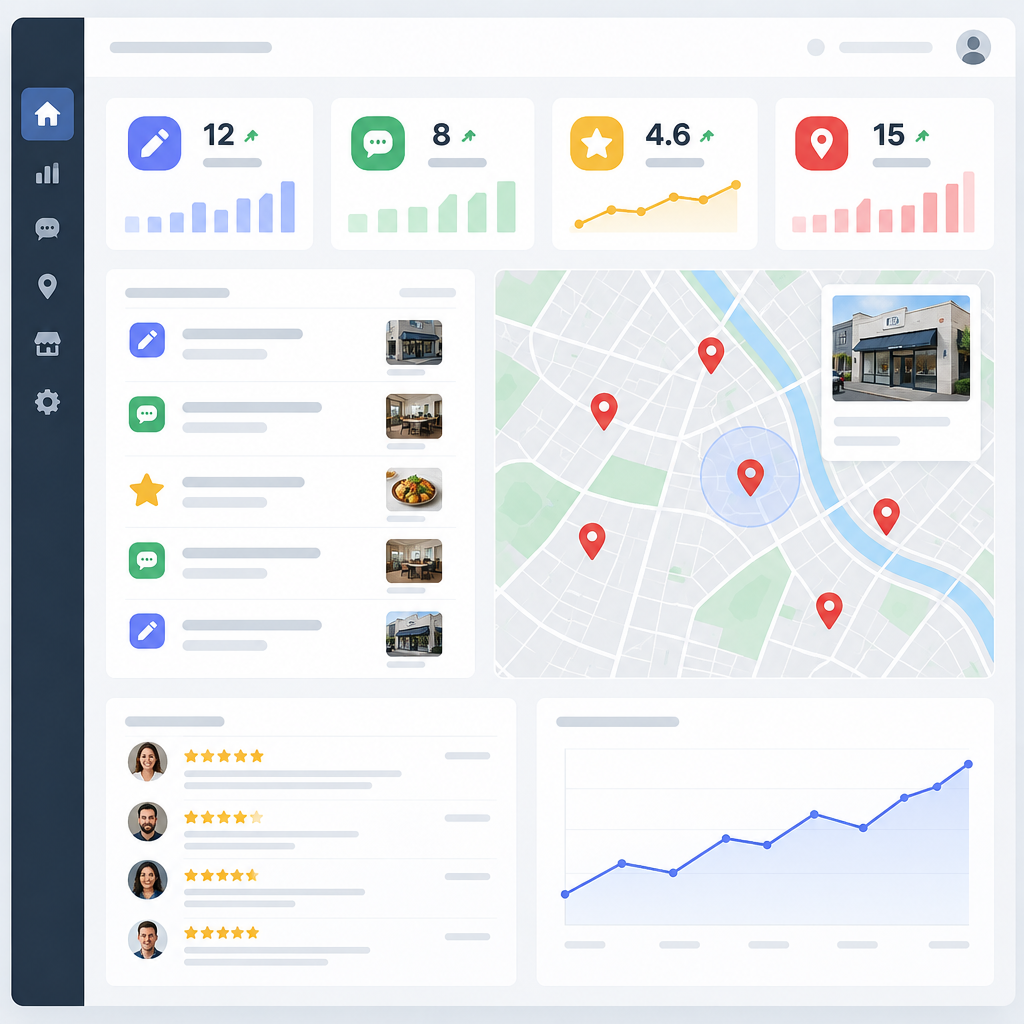
ReviewHive helps make that routine easier by aggregating reviews from multiple platforms into one dashboard, tracking rating and sentiment trends, and drafting AI-assisted replies that teams can review before publishing. When Google, Yelp, Tripadvisor, and niche platforms all shape reputation, a central workflow prevents profile edits, review responses, and trend analysis from living in separate silos.
What SMBs should do now
Set a weekly owner for Business Profile checks. Review Google edit alerts within the 4 day window. Keep the website and profile in sync. Log profile changes. Watch review volume, rating trends, and platform notices together. Reply quickly, but avoid generic responses that make customers feel processed instead of heard.
Google's 2026 updates make one point clear: reputation management is no longer only about collecting more five-star reviews. It is about maintaining the public record customers and AI systems use to judge whether your business is trustworthy today.
If your team is ready to bring review monitoring, analytics, and AI-assisted replies into one workflow, ReviewHive is built for exactly that.
Sources
- Google: New ways we're protecting businesses on Maps
- Google Business Profile Help: Understand Google updates on your Business Profile
- Google Business Profile Help: Tips to improve your local ranking on Google
- Google Business Profile Help: Report inappropriate reviews on your Business Profile
- Google: Save time and grow your business with new Gemini tools
- BrightLocal: Local Consumer Review Survey 2026