Zero Click Local Search: Why Reviews Now Have to Do More of the Selling
AI answers and Google Maps results are shortening the local buyer journey. Your reviews need to answer trust questions before the click.
Zero Click Local Search: Why Reviews Now Have to Do More of the Selling
Local discovery is getting compressed. A customer who used to scan a search results page, click three websites, compare menus or services, then read reviews may now make the decision inside Google Maps, Gemini, ChatGPT, Perplexity, or another answer interface.
That doesn’t make reviews less important. It makes them work harder.
BrightLocal’s 2026 Local Consumer Review Survey found that 97% of consumers read reviews for local businesses, and that the average consumer uses six review sites when choosing where to go. The same survey reports that AI tools such as ChatGPT rose from 6% usage in 2025 to 45% in 2026 for local recommendations, becoming the third most used recommendation source behind Google and Facebook.
For SMB owners and marketers, the takeaway is direct: your reputation can’t sit in one place, and it can’t be managed like a static star rating. Reviews are becoming structured evidence for local search, AI recommendations, and in-map decisions.
The customer journey is shrinking
Google Maps has been moving from a navigation app toward a decision app for years. In 2026, Google added more Gemini powered AI features to Maps, including Ask Maps, which can suggest places based on conversational prompts such as nearby cafes with short lines or places to charge a device. AP reported that these recommendations draw on Google Maps data across more than 300 million places and reviews from more than 500 million contributors.
That matters because the buyer may never reach your website. They may see your rating, skim a few review themes, compare photos, check your hours, and ask an AI assistant for the best option nearby. If your reviews don’t clearly explain what customers value, the decision layer has less to work with.
Google’s own Business Profile documentation points in the same direction. Profile owners can track views, searches, calls, website clicks, direction requests, bookings, menu views, product views, and other interactions from Search and Maps. Google also says Business Profile insights can be based on public, location based information such as reviews, photos, and local search trends.
This creates a new practical goal: make reviews useful before the click.
AI visibility is selective, not democratic
Traditional local SEO gave businesses several chances to be considered. A customer might scroll the local pack, look at organic results, check Yelp, ask a friend, then come back later.
AI powered discovery narrows that field. SOCi’s 2026 Local Visibility Index analyzed more than 350,000 locations across 2,751 multi-location brands. Its January 2026 release reported that ChatGPT recommended just 1.2% of brand locations, compared with an average 35.9% appearance rate in Google’s local 3-Pack. SOCi also reported that locations recommended by ChatGPT averaged 4.3 stars.
A separate August 2026 VisibilityIndex.ai study tested 1,440 local search questions across ChatGPT, Gemini, Claude, and Perplexity. Only 4.6% of recommended businesses appeared across all four platforms, and 74% appeared on only one AI platform.
SMBs should be careful with the interpretation. These studies don’t prove that rating alone wins AI recommendations. They do show that AI visibility is uneven, selective, and sensitive to the public evidence available about a business. Reviews are one of the most accessible signals a local business can improve without a technical SEO project.
What review content needs to prove now
A five star review that says “Great service” helps, but it does not answer many decision questions. Strong zero click review content tends to contain specifics:
Was the plumber on time? Did the med spa explain aftercare clearly? Was the restaurant good for a group with kids? Did the HVAC company clean up after the job? Did the customer mention a neighborhood, use case, staff member, product, wait time, price expectation, or outcome?
Those details matter because AI and map interfaces synthesize patterns. A business with 200 vague compliments may look weaker in a specific query than a competitor with fewer reviews that repeatedly mention “same day repair,” “transparent pricing,” or “gluten free brunch.”
That does not mean scripting reviews. Google’s review policies say reviews should reflect genuine experiences, and businesses should not request specific content, pressure customers on premises, offer incentives, or selectively solicit only positive reviews. The safer approach is to ask every customer for honest feedback soon after the experience, then let their own language do the work.
Reputation management has to become multi-platform
Google still matters, but BrightLocal’s 2026 data shows consumers are spreading their attention. The average consumer uses six review sites, Google’s share as a review source fell from 83% in 2025 to 71% in 2026, and video platforms such as YouTube, Instagram, and TikTok are gaining traction for local recommendations.
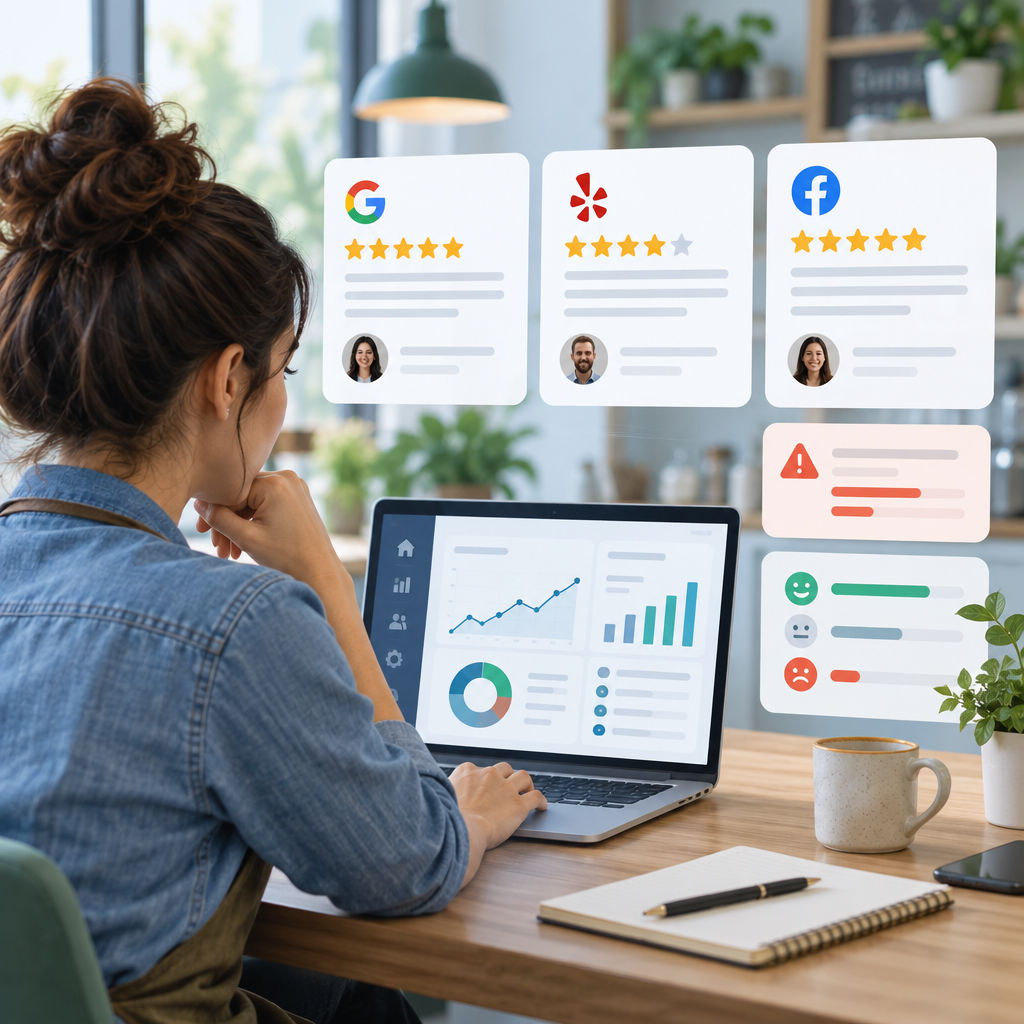
That shift changes the operating rhythm for small teams. A restaurant, clinic, salon, contractor, or retail shop may need to monitor Google, Facebook, Yelp, Tripadvisor, industry specific sites, and social video comments. Missed reviews become missed conversion data. Unanswered criticism becomes public friction. Positive themes stay buried unless someone is tracking them.
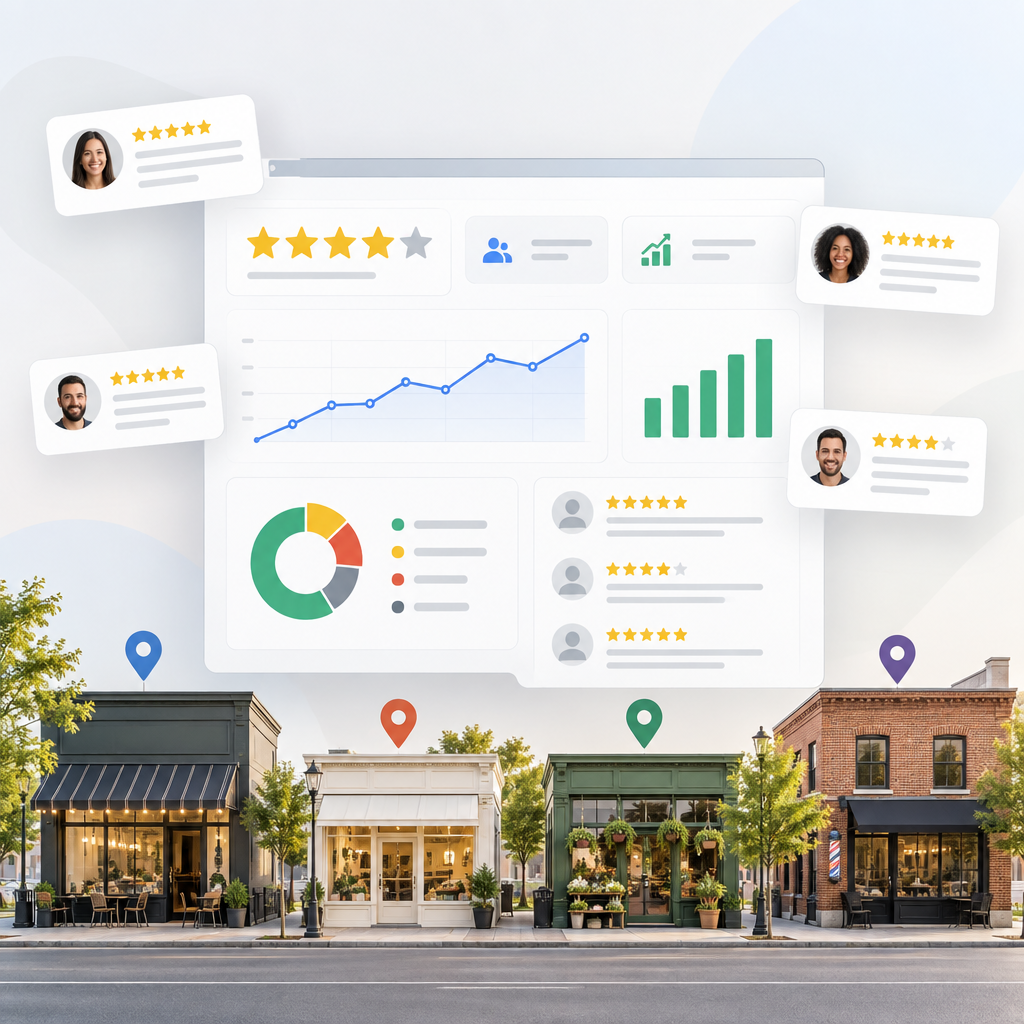
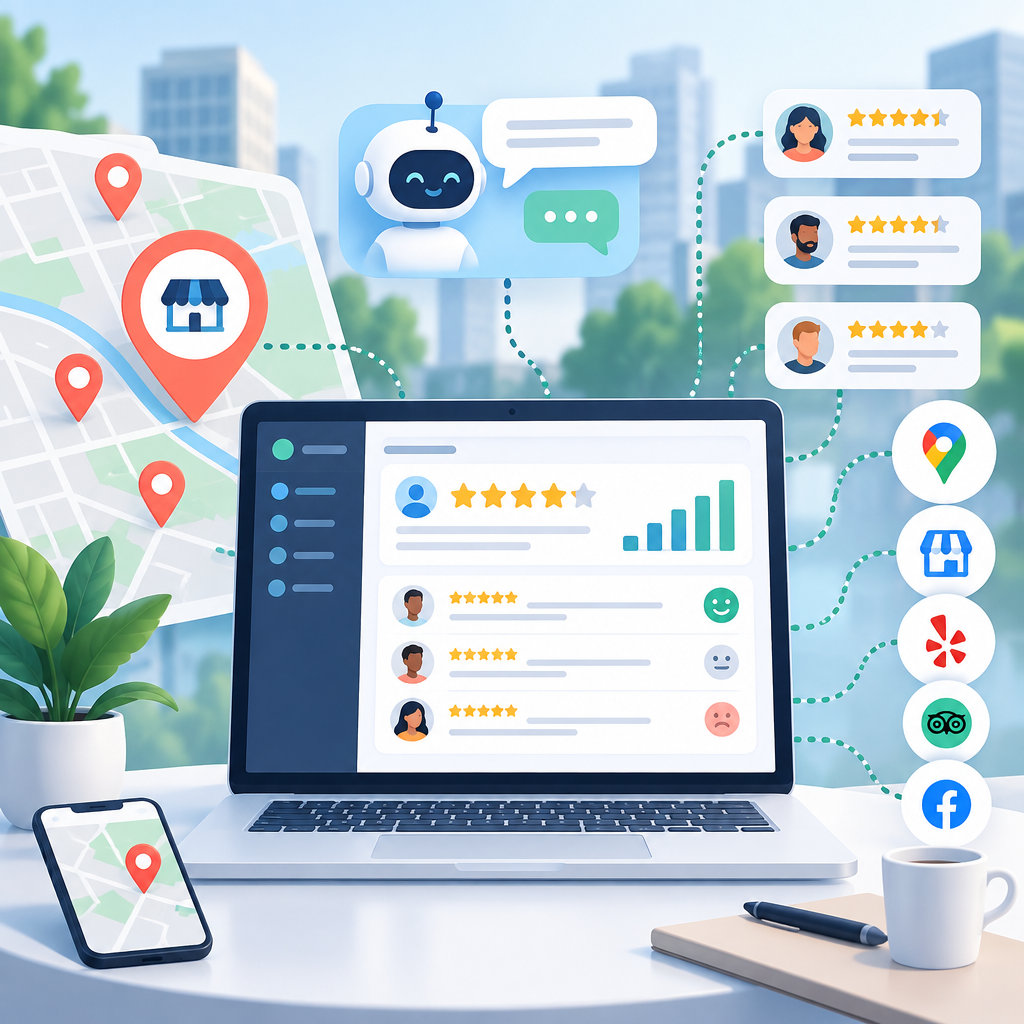
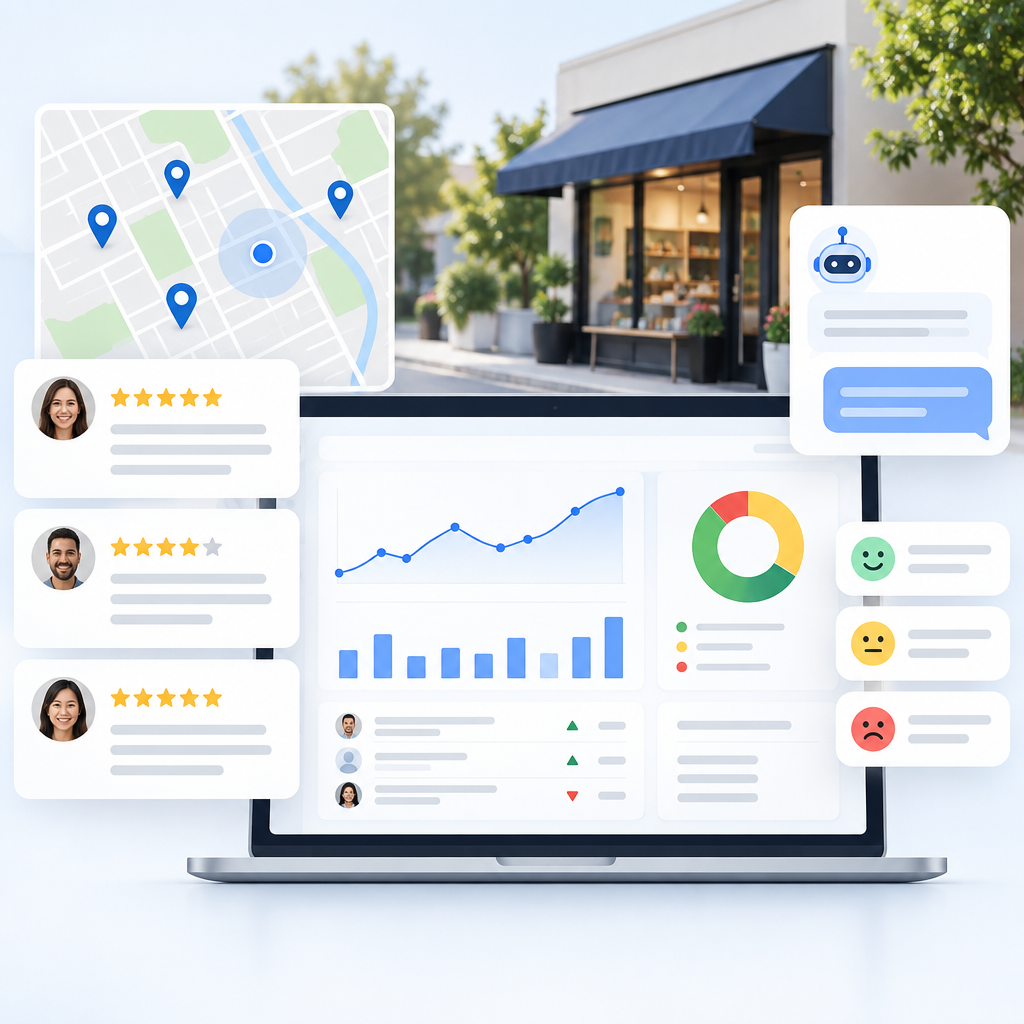
This is where a review platform can pay for itself. ReviewHive brings reviews from multiple platforms into one dashboard, tracks rating trends and recurring themes, and helps teams draft AI assisted replies that still sound human. The value is not just speed. It’s pattern recognition: which locations are slipping, which services customers praise, which objections keep appearing, and which platforms deserve attention this week.
How to adapt your review strategy
Start by auditing the review journey the way a customer sees it. Search your category and city in Google Maps. Ask an AI assistant for local recommendations. Check whether your best reviews mention the services you want to rank for. Look at the first three negative reviews a customer would see. Then compare that picture across your other review platforms.
Next, tighten the response habit. Fast, specific replies show future customers that someone is paying attention. Google’s Gemini Business Profile integration now lets eligible owners ask Gemini to draft replies, summarize recent reviews, analyze feedback themes, and access performance metrics. That is a sign of where the platforms are going: review response is becoming part of daily profile management, not a monthly cleanup task.
Finally, treat review themes as local SEO inputs. If customers often praise emergency availability, appointment reminders, clean facilities, or staff knowledge, reflect those strengths in your Business Profile, service pages, posts, and FAQ content. If complaints cluster around parking, wait times, communication, or unclear pricing, fix the operational issue before it hardens into your public reputation.
Zero click local search rewards businesses that make trust easy to assess. ReviewHive helps you keep that trust visible, current, and actionable across the places customers now check before they ever click through.
Sources
- BrightLocal: Local Consumer Review Survey 2026
- AP News: Google overhauls its Maps app, adding in more AI features to help people get around
- SOCi: In AI-Driven Discovery, Few Brands Are Chosen, Most Disappear
- VisibilityIndex.ai: August 2026 Local AI Visibility Index Report
- Google Business Profile Help: Understand your Business Profile performance and insights
- Gemini Apps Help: Manage your Business Profile on Google with the Gemini web app
- Google Business Profile Help: Prohibited and restricted content