The 4.5-Star Review Standard: What Local Businesses Should Do in 2026
Consumers are raising the bar on star ratings, review volume, recency, and replies. Here is how local businesses can respond safely.
The 4.5-Star Review Standard Is Here
A 4.2 rating used to feel comfortably strong. In 2026, it can look merely adequate, especially when a nearby competitor has more recent reviews, a higher count, and visible owner replies.
BrightLocal's 2026 Local Consumer Review Survey found that 31% of consumers will only use a business with 4.5 stars or more, up from 17% in 2025. The same survey found that 68% will only use businesses with at least four stars, 47% will not use a business with fewer than 20 reviews, and 74% look for reviews written within the last three months.
For SMB owners and local marketers, the message is specific: reputation work cannot stop at getting listed on Google. You need enough reviews, recent reviews, credible ratings, and replies that sound like a real business is paying attention.
Why the Rating Floor Is Rising
Consumers have more review evidence in front of them than they used to. BrightLocal reports that 97% of consumers read reviews for local businesses, and the average consumer now uses six different review sites when choosing a business.
Google also makes ratings easy to compare. Its Business Profile help documentation explains that Search and Maps can show review scores, top reviews, and total review count. In some cases, Google Business Profiles may also show customer reviews from other local review sites.
That matters because shoppers do not need to do deep research to notice a gap. A roofing company with 4.3 stars and 13 reviews sits differently next to a competitor with 4.7 stars and 86 reviews. A clinic with old positive reviews may still lose trust if the most recent visible comments mention scheduling delays. A restaurant with a good average can still look risky if management ignores negative feedback.
Do Not Chase Stars With Risky Shortcuts
The pressure to improve ratings is real, but buying or shaping reviews is the wrong answer.
The FTC's Consumer Reviews and Testimonials Rule went into effect on October 21, 2024. FTC guidance says businesses, agencies, PR firms, review brokers, and reputation management companies can face liability for fake reviews, buying reviews with a required sentiment, review suppression, or fake indicators of social influence.
Google's Maps user generated content policy is also direct. Reviews and ratings should reflect a genuine experience and be unbiased. Google prohibits paid reviews, incentives for posting reviews or changing negative reviews, conflicts of interest, selective solicitation of positive reviews, and pressure to include specific content.
Platforms are investing heavily in detection. Trustpilot's 2025 Trust Report says it removed 4.5 million detected fake reviews in 2024, equal to 7.4% of reviews submitted that year. It also says most removed fake reviews were positive, including 3.4 million five-star reviews.
A suspicious burst of perfect ratings is not a strategy. It can trigger platform removals, consumer distrust, and regulatory risk. The safer path is slower, but it builds a review profile that holds up under scrutiny.
Track the Review Metrics Buyers Actually See
Most businesses watch their average star rating. That is useful, but incomplete. In 2026, a better review dashboard should track at least five things.
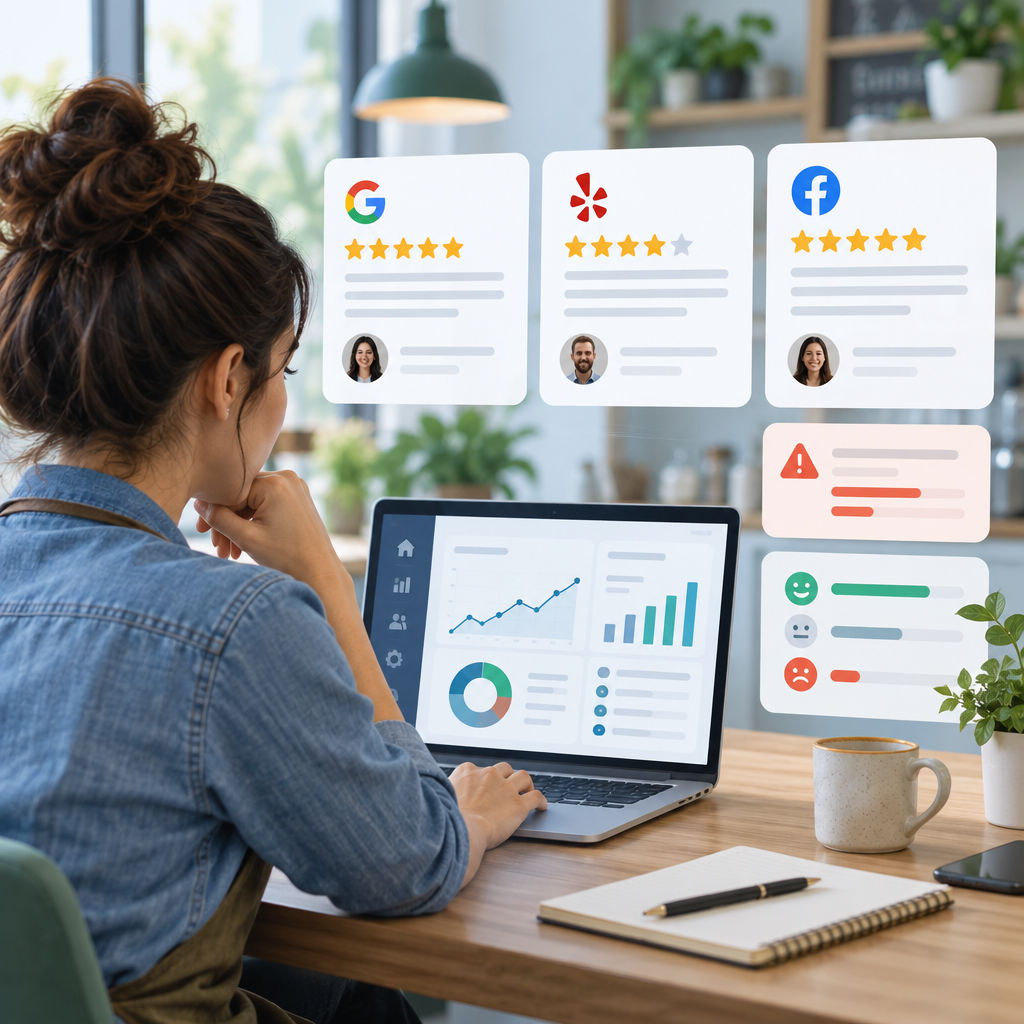
First, monitor rating by platform and location. A business can look excellent on Google and weak on Yelp, Facebook, TripAdvisor, Trustpilot, or an industry review site. Consumers compare across sources, and Google may surface review information from other sites.
Second, watch review count thresholds. BrightLocal's finding that 47% of consumers will not use a business with fewer than 20 reviews should make early review volume a priority for newer locations, new service lines, and acquired businesses.
Third, measure freshness. If 74% of consumers care about reviews from the last three months, quarterly review health matters more than lifetime totals. A strong profile from 2023 will not reassure someone about service quality in 2026.
Fourth, track recurring themes. BrightLocal found the top review factor was whether a review is backed up by other reviews with similar sentiment. One complaint about communication is manageable. Ten complaints about communication become a visible pattern.
Fifth, measure reply coverage and speed. BrightLocal found that 89% of consumers expect businesses to respond to reviews, 81% expect a response within a week, and 50% are less likely to choose a business that uses generic or templated replies.
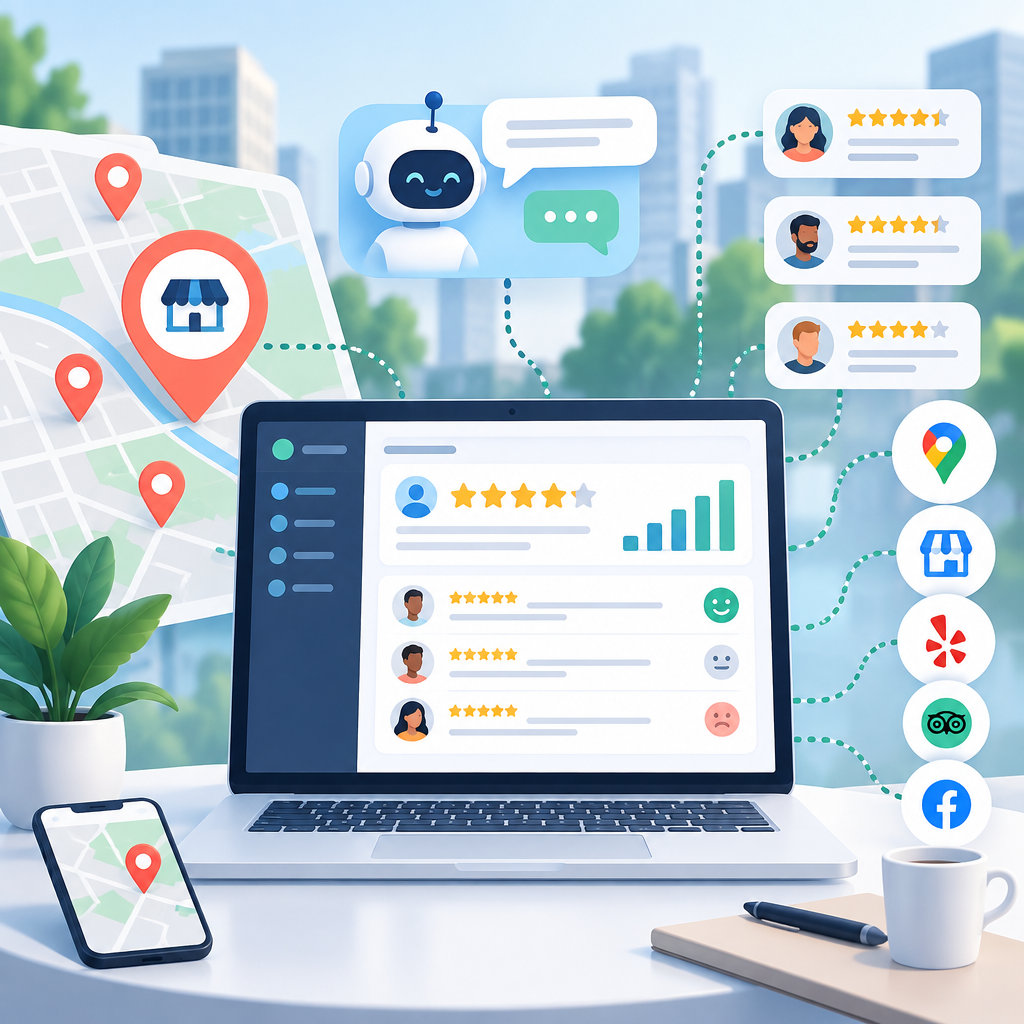
ReviewHive helps here by aggregating reviews from multiple platforms into one dashboard, tracking rating trends and sentiment themes, and drafting AI-assisted replies that your team can personalize before posting.
Improve Ratings by Fixing the Inputs
Better ratings usually come from two operating habits: asking consistently and closing the loop when feedback shows a problem.
Ask every customer who had a real experience, not only the happiest customers. Make the request easy: send a short follow-up message, include the right review link, and avoid telling people what rating or wording to leave. Keep requests steady rather than waiting for a bad review to start a campaign.
Use negative reviews as operational data. If customers repeatedly mention long wait times, unclear pricing, missed calls, rude handoffs, or cleanup issues, treat those themes as management priorities. Reply publicly with a calm acknowledgment and a concrete next step. Then fix the process behind the complaint.
Positive reviews deserve attention too. Thank the customer, mention the service or location when appropriate, and avoid copy-paste language. The point is not to write a long response. The point is to show future readers that the business is active, attentive, and human.
Local SEO Still Depends on Trust Signals
Google says local results are mainly based on relevance, distance, and prominence. Its local ranking documentation says prominence can be based on information such as links, articles, how many reviews a business has, and that more reviews and positive ratings can help local ranking.
That does not mean reviews are a magic ranking switch. It does mean reviews sit at the intersection of visibility and conversion. A higher star rating may help a business look stronger in local results. A larger, fresher review base may also give buyers more confidence once they find the listing.
For local marketers, the practical goal is not perfection. It is to build a review profile that looks current, credible, and responsive across the places customers actually check.
If your team is still managing reviews platform by platform, ReviewHive can help you bring them into one view, spot rating changes earlier, and respond faster with AI-assisted drafts your team can refine.
Sources
- BrightLocal: Local Consumer Review Survey 2026: Star Ratings Keep Rising, Old Reviews Do Not Cut It
- Google Business Profile Help: Tips to improve your local ranking on Google
- Google Business Profile Help: Understand review scores for local places and businesses
- Google Maps User Generated Content Policy Help: Prohibited and restricted content
- Federal Trade Commission: The Consumer Reviews and Testimonials Rule: Questions and Answers
- Trustpilot: Trustpilot Trust Report 2025