Google AI Search Is Pulling More Firsthand Perspectives: What Local Brands Should Do With Reviews
Google AI Search is surfacing more firsthand perspectives. Local brands need review themes, reply discipline, and cross-platform consistency.
Google AI Search Is Pulling More Firsthand Perspectives: What Local Brands Should Do With Reviews
Google is making firsthand customer commentary more visible inside AI search results. That matters for local businesses because the next customer may not start with your homepage, or even your Google Business Profile. They may ask an AI result for the best emergency dentist, brunch spot, med spa, HVAC company, or dog groomer nearby, then skim the sources the AI chooses to show.
In August 2026, Google said AI Overviews and AI Mode would highlight helpful perspectives from online discussions, forums, and social media for some searches. In its generative AI search guidance, Google also says its AI features can show what is being said about products and services across the web, including blogs, videos, and forum discussions. For local marketers, the practical lesson is clear: customer language is becoming a visibility asset.
That does not mean chasing forum mentions or trying to seed fake conversations. Google explicitly warns against inauthentic mentions. It means managing real customer feedback well enough that search systems, review platforms, and cautious buyers find a consistent story.
AI search has not replaced reviews. It sends people back to them
BrightLocal's 2026 AI trust research found that 97% of AI users sometimes double-check AI recommendations against real reviews. Among those AI users, 42% always check native review platforms. In other words, AI may become the first stop, but reviews still help close the decision.
That creates a two-step reputation journey. First, the AI system decides which businesses and sources to mention. Then the customer verifies the recommendation by reading reviews, looking at photos, checking ratings, and scanning recent owner replies.
A thin or stale review profile can break trust at the second step. So can a profile where the same generic owner response appears under every review. Google Business Profile guidance is fairly direct on this point: replies should be public, relevant, concise, conversational, and specific to the customer's feedback. Google also says honest and balanced reviews often feel more trustworthy than a profile that looks artificially perfect.
Maps strength and AI visibility are not the same thing
Local SEO teams are used to watching map rankings. AI search adds another layer.
BrightLocal's 2026 local AI visibility study reviewed 200,085 localized searches across ChatGPT, Google AI Mode, and Google's AI Overviews. The study found that Google Maps mentioned tracked businesses in 66% of searches, while AI surfaces mentioned them only 32% to 38% of the time. BrightLocal also found low overlap when the same local prompt was repeated, with only 20% to 33% average overlap between result sets depending on the AI surface.
That volatility is uncomfortable, but it also gives SMBs a useful operating principle: do not manage reviews as a single-platform scorekeeping exercise. AI systems and human searchers both look for corroboration. A strong Google rating helps, but consistent review themes across Google, Yelp, industry directories, social profiles, and your own site make the business easier to understand and trust.
For a local service business, that means the words inside reviews matter. If customers repeatedly mention same-day appointments, clean technicians, transparent pricing, painless scheduling, or great work with anxious pets, those details are more useful than another bare five-star rating. They are also the phrases a buyer might use in an AI prompt.
Yelp moving into ChatGPT raises the stakes for review quality
This is not only a Google story. Axios reported in July 2026 that Yelp is licensing reviews, photos, ratings, and other business information to OpenAI so ChatGPT can surface Yelp content in local responses. The article also reported that Yelp's Request a Quote feature is expected to be added, allowing users to contact local service providers from inside ChatGPT.
For SMBs, that is a reminder that review platforms are becoming data suppliers for AI interfaces. A customer may not visit Yelp directly, but Yelp's content can still shape what they see in an AI assistant.
This makes review quality more important than volume alone. Businesses need specific, experience-based reviews from real customers. They also need fast, human replies that add context when something goes wrong. A vague complaint about a missed appointment is damaging. A measured owner reply that acknowledges the issue, explains the fix, and invites private follow-up gives future readers a reason to keep considering the business.
Build a review system around themes, not vanity metrics
A practical review program for AI-era local search should track four things.
First, monitor recurring language. Which services, staff behaviors, locations, products, wait times, and pain points appear most often? These themes can inform FAQ pages, service pages, ads, staff coaching, and owner replies.
Second, watch platform gaps. If Google reviews praise your speed but Yelp reviews complain about scheduling, customers and AI systems may receive mixed signals. The answer is not to force the same content everywhere. It is to fix the operational issue, then encourage fresh feedback across the platforms customers already use.
Third, respond with specifics. A good reply can confirm details that matter to later buyers: the service performed, the location, the resolution, the staff action, or the policy. Keep it short, avoid promotions, and never reveal private customer information.
Fourth, turn review insights into first-party content. If reviews repeatedly mention confusing pricing, write a clear pricing explainer. If customers praise a niche service, build a page around it. Google's AI guidance emphasizes unique, useful, experience-based content over generic pages written only to chase AI visibility.
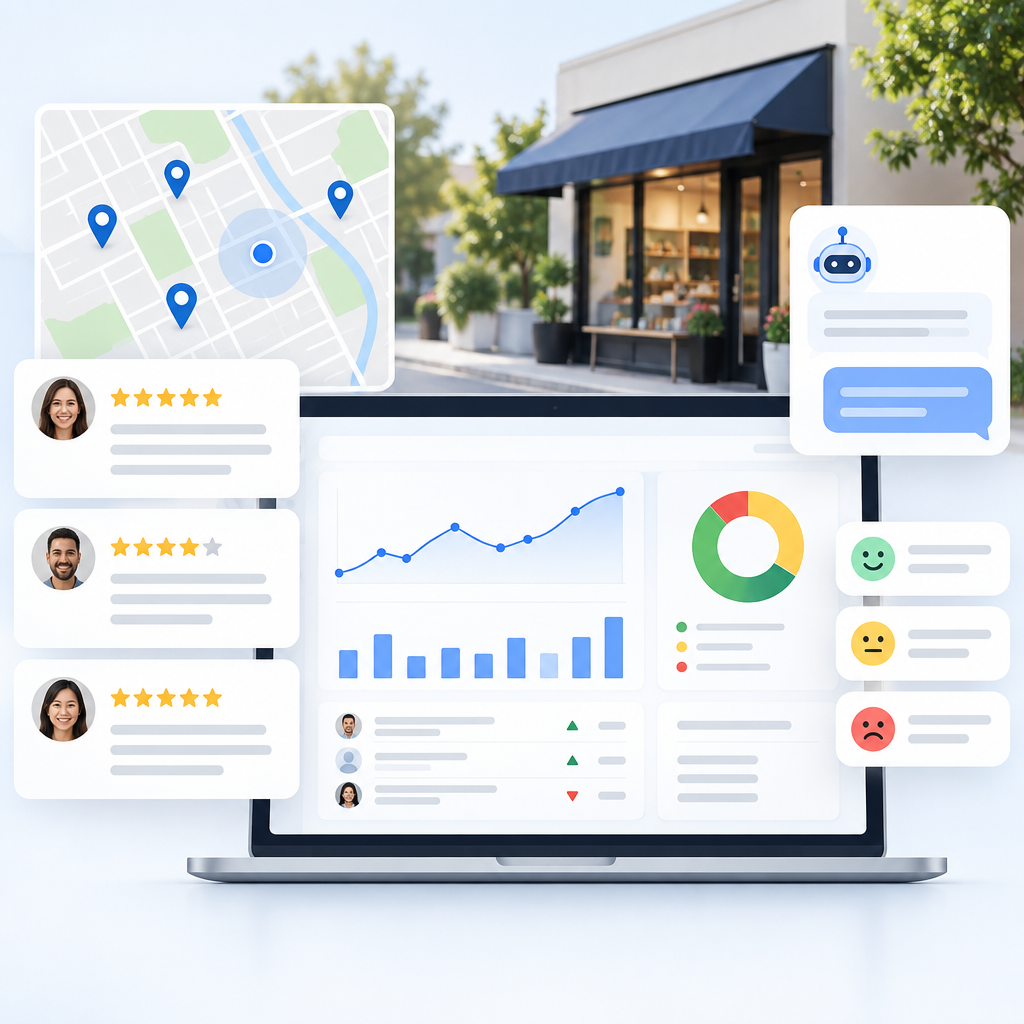
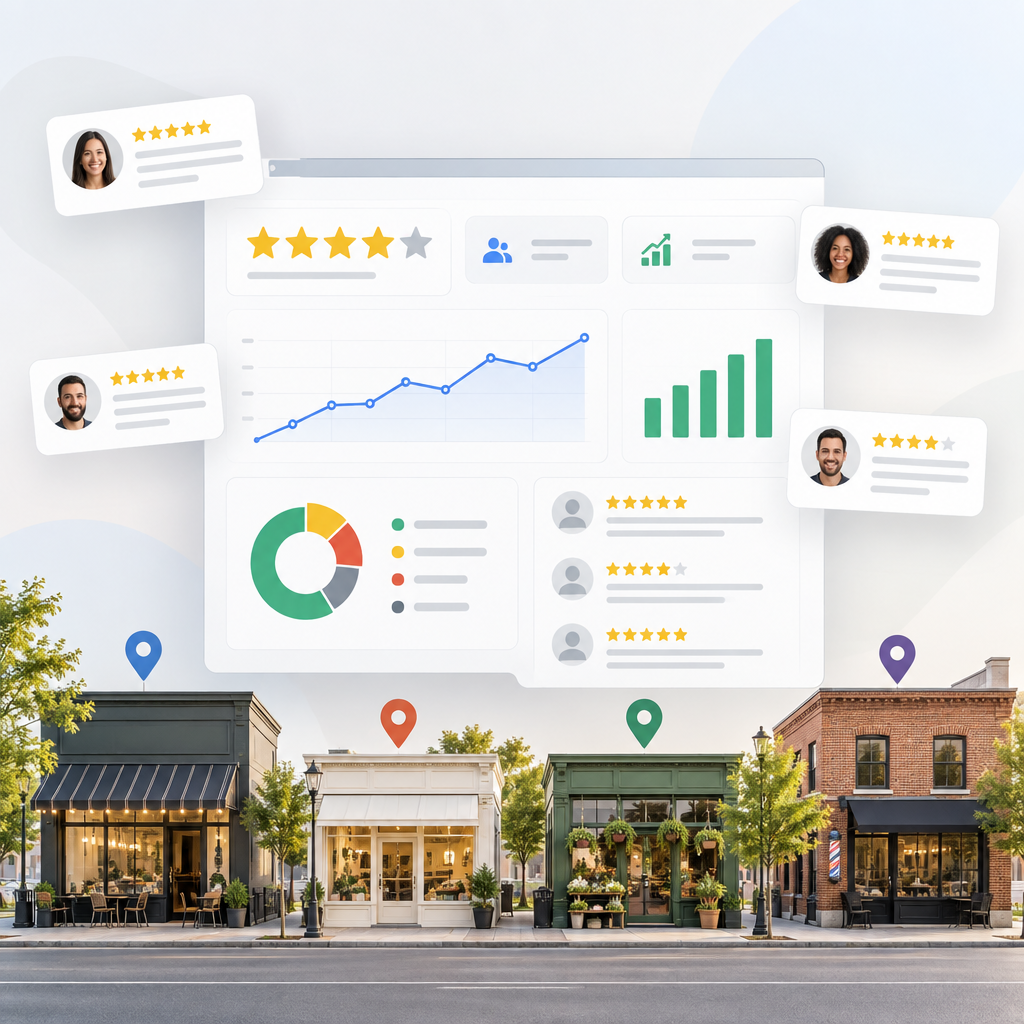
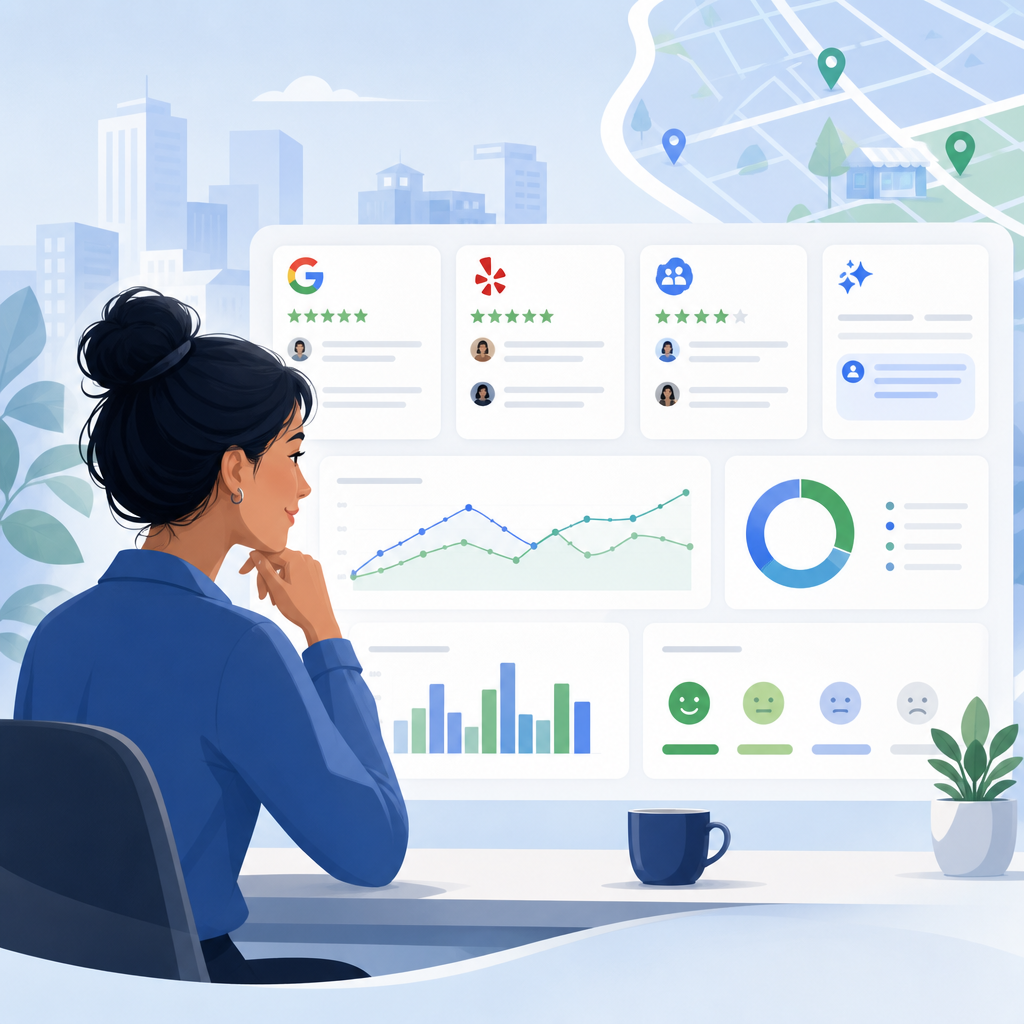
ReviewHive helps here by pulling reviews from multiple platforms into one dashboard, tracking rating and sentiment trends, and drafting AI-assisted replies that teams can edit before posting. The goal is not to automate away judgment. It is to help owners and marketers see patterns faster, respond more consistently, and protect the reputation signals customers already rely on.
What to do this month
Start with a simple audit. Search your business name, your category plus city, and a few high-intent prompts a customer might ask an AI assistant. Note which platforms appear, which competitors are mentioned, and which customer phrases keep surfacing.
Then review your last 50 customer reviews across platforms. Tag the themes manually or in a reputation platform: speed, staff, pricing, quality, cleanliness, communication, location, product availability, and unresolved complaints. Pick the top three positive themes to reinforce in site content and the top two negative themes to address operationally.
Finally, tighten your reply workflow. Every negative review should get a timely, specific response. Strong positive reviews should get replies when they contain useful details or deserve a personal thank-you. Generic responses are better than silence in some cases, but they miss the bigger opportunity: showing future customers that a real person is listening.
AI search will keep changing. The durable work is simpler: earn real reviews, understand what customers are saying, reply with care, and make those same strengths visible wherever buyers look. ReviewHive can help you bring that work into one place, so your reputation program keeps pace with how local customers now search.
Sources
- Google: How Google Search helps you find original, quality content
- Google Search Central: Optimizing your website for generative AI features on Google Search
- BrightLocal: Study, AI local search data
- BrightLocal: Half of consumers are asking AI for business recommendations
- Axios: Yelp partners with OpenAI to surface reviews in ChatGPT
- Google Business Profile Help: Tips to get more reviews