Google AI Business Calls: Why Review Accuracy Now Matters More
Google Search can now call local businesses for prices and availability. Here’s how SMBs should tighten reviews, listings, and replies.

Google AI Business Calls Are Turning Reviews Into Operational Data
Google’s local search experience is getting more active. In July 2025, Google announced that Search can use AI to call local businesses on a customer’s behalf to check pricing and availability. Google’s help documentation says automated calls can support appointment booking, restaurant wait-time checks, and product or service availability requests in eligible regions.
That changes the job of review management. Reviews are no longer just persuasion after a shopper finds you. They sit next to business profile data, pricing cues, availability signals, and AI-generated summaries that help searchers decide whether your business is worth contacting at all.
For SMB owners and marketers, the practical question is simple: when Google, Maps, or an AI assistant tries to understand your business, will your reviews confirm the same story your staff, website, and Business Profile are telling?
The local search path is getting compressed
Google said the AI calling feature can appear for searches such as local pet groomers, then consolidate appointment and service information from multiple businesses into a set of options. Google also says businesses can control automated call settings through their Business Profile.
This sits alongside broader AI changes in Maps and Search. Google has described Gemini-powered Maps features that help users ask detailed questions about places, read review summaries, and get answers about details like outdoor seating or atmosphere. Google’s local listing documentation says AI review summaries are compiled from reviews from the past year and updated regularly.
In other words, a prospective customer may not read ten reviews one by one. They may see a summary, ask a follow-up question, compare nearby options, and let Google check availability before they ever visit your site.
BrightLocal’s 2026 Local Consumer Review Survey supports the same direction. It found that 97% of consumers read reviews for local businesses, the average consumer uses six review sites when choosing businesses, and use of ChatGPT and other generative AI tools for local recommendations rose from 6% to 45% year over year. Google remains the top review source in BrightLocal’s data, but its usage dropped from 83% in 2025 to 71% in 2026.
The takeaway is not that Google reviews matter less. It’s that review signals are spreading across more surfaces, including AI search, Maps, social video, Facebook, Tripadvisor, Apple Maps, Trustpilot, and industry-specific directories.
Accuracy beats polish when AI starts asking questions
AI calling puts pressure on the boring details that often drift out of sync: current prices, service names, appointment windows, holiday hours, cancellation rules, inventory, and whether a location still offers a specific service.
A review that says “They advertised same-day repair but couldn’t schedule me for two weeks” is not just a reputation problem. It is a data conflict. If your website says one thing, your receptionist says another, and your recent reviews tell a third story, AI systems and customers both have less reason to trust the result.
Google’s documentation for automated calls says information shared through calls, texts, WhatsApp messages, photos, or posts may be added to a Business Profile on the business’s behalf, subject to review, and can be edited or removed by the owner. That makes front-line answers part of your public presence.
Train staff for consistency. Keep a short internal sheet with approved answers for common AI-call topics: services offered, entry-level pricing, availability windows, booking links, refund policies, and location-specific exceptions. Review it whenever you change pricing or hours.
Reviews need to support the facts customers are checking
Many businesses still track reviews mostly by star rating. That is too thin for AI-shaped local search.
BrightLocal found that 47% of consumers won’t use a business with fewer than 20 reviews, 74% only care about reviews from the last three months, and 31% will only use a business with a 4.5-star rating or higher. Those thresholds matter, but the wording inside the reviews matters too.
Look for patterns tied to operational facts:
- Pricing: Are customers surprised by quotes, fees, estimates, or minimums?
- Availability: Do reviews mention long waits, missed appointments, or fast turnarounds?
- Service fit: Are customers clear about which jobs you do and don’t handle?
- Location details: Do reviews contradict your parking, accessibility, delivery area, or hours?
- Staff communication: Do customers say they received clear next steps?
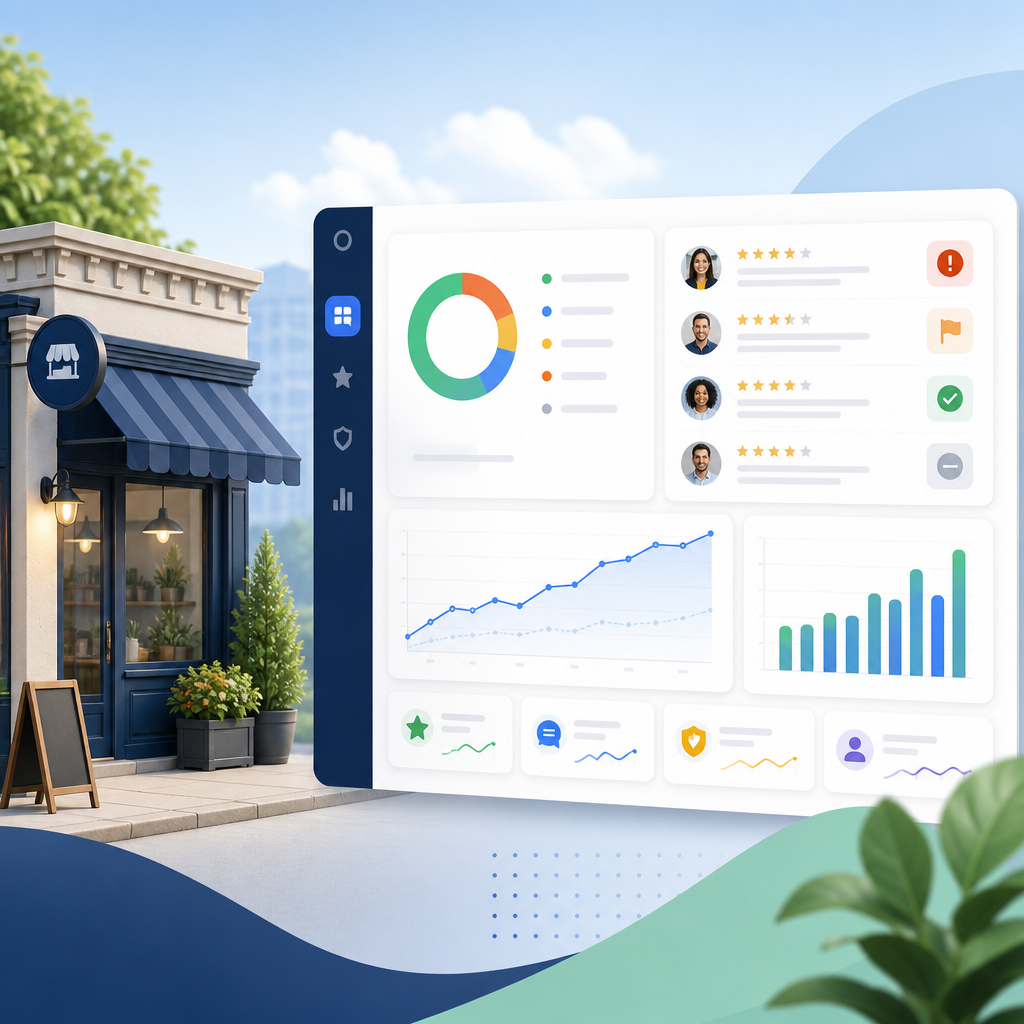
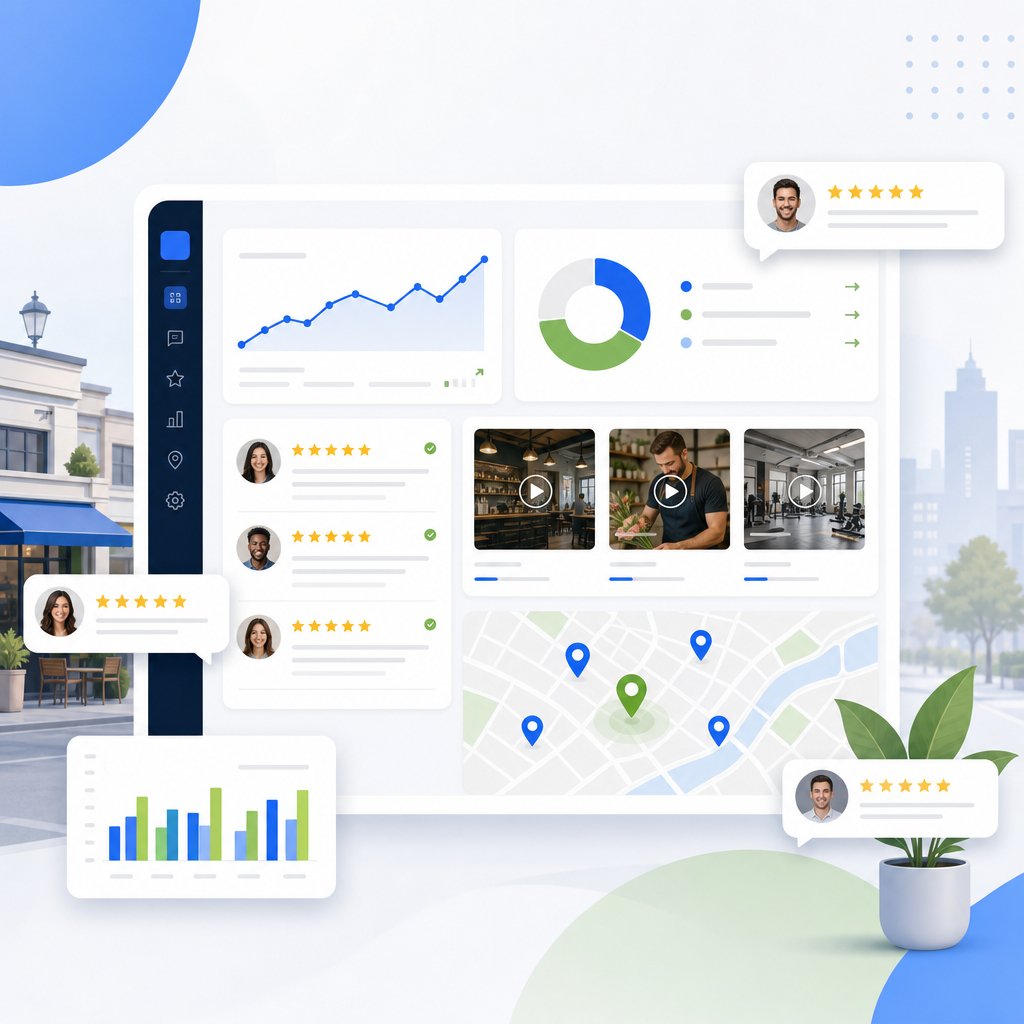
This is where ReviewHive helps. By aggregating reviews from multiple platforms into one dashboard, ReviewHive lets a business spot recurring themes before they become search-visible reputation issues. Rating trend analytics can show whether a recent operations change is improving sentiment, while AI-assisted replies help teams respond quickly without sounding generic.
Reply strategy should correct, not argue
A good reply is not only for the reviewer. It is also public context for future customers and, increasingly, for systems that summarize review sentiment.
If a review accurately describes a service gap, acknowledge the issue and name the fix. For example: “You’re right that our Saturday booking window was unclear. We updated our booking page and front desk script this week.” That tells future customers the business is maintained.
If a review contains a factual misunderstanding, correct it calmly. Don’t turn the reply into a dispute. A short response that states the policy, offers a private resolution path, and thanks the customer for the feedback is more useful than a defensive paragraph.
Avoid stuffing replies with keywords. AI summaries and human readers are looking for evidence, not copywriting. Mention concrete details only when they help clarify the experience.
Build a monthly AI-readiness review
Set a recurring 30-minute review management routine:
- Check Google Business Profile, website service pages, booking tools, and phone scripts for consistency.
- Read the newest reviews across your main platforms, not only Google.
- Tag complaints tied to price, hours, availability, booking, and service scope.
- Update unclear public information before replying at length.
- Respond to recent reviews with specific, calm answers.
- Watch rating and sentiment trends after each operational change.
Google’s 2026 Maps safety update shows why this work should be ongoing. Google reported that its community contributed more than 1 billion reviews and 80 million updates to business hours, contact details, and other information in 2025. It also said its systems blocked or removed over 292 million policy-violating reviews and blocked 79 million inaccurate or unverified edits.
That volume is the point. Local reputation is now a living data layer, refreshed by customers, platforms, business owners, and AI systems. The businesses that perform best will be the ones whose reviews, replies, listings, and staff answers all line up.
ReviewHive gives SMB teams one place to monitor those signals, understand what customers keep mentioning, and respond faster across platforms. If AI search is going to summarize your reputation, make sure it has the right evidence to work with.
Sources
- Google: More advanced AI capabilities are coming to Search
- Google Business Profile Help: About automated calls and texts from Google to your business
- Google: New in Maps: Inspiration curated with Gemini, enhanced navigation and more
- Google Local Listings Help: How Google sources and uses information in local listings
- Google: New ways we’re protecting businesses on Maps
- BrightLocal: Local Consumer Review Survey 2026: Star Ratings Keep Rising, Old Reviews Don’t Cut It