Review Bombing After Viral Posts: A Local Business Response Plan
Viral posts can trigger off-topic reviews fast. Here is how local businesses should monitor, document, respond, and recover.
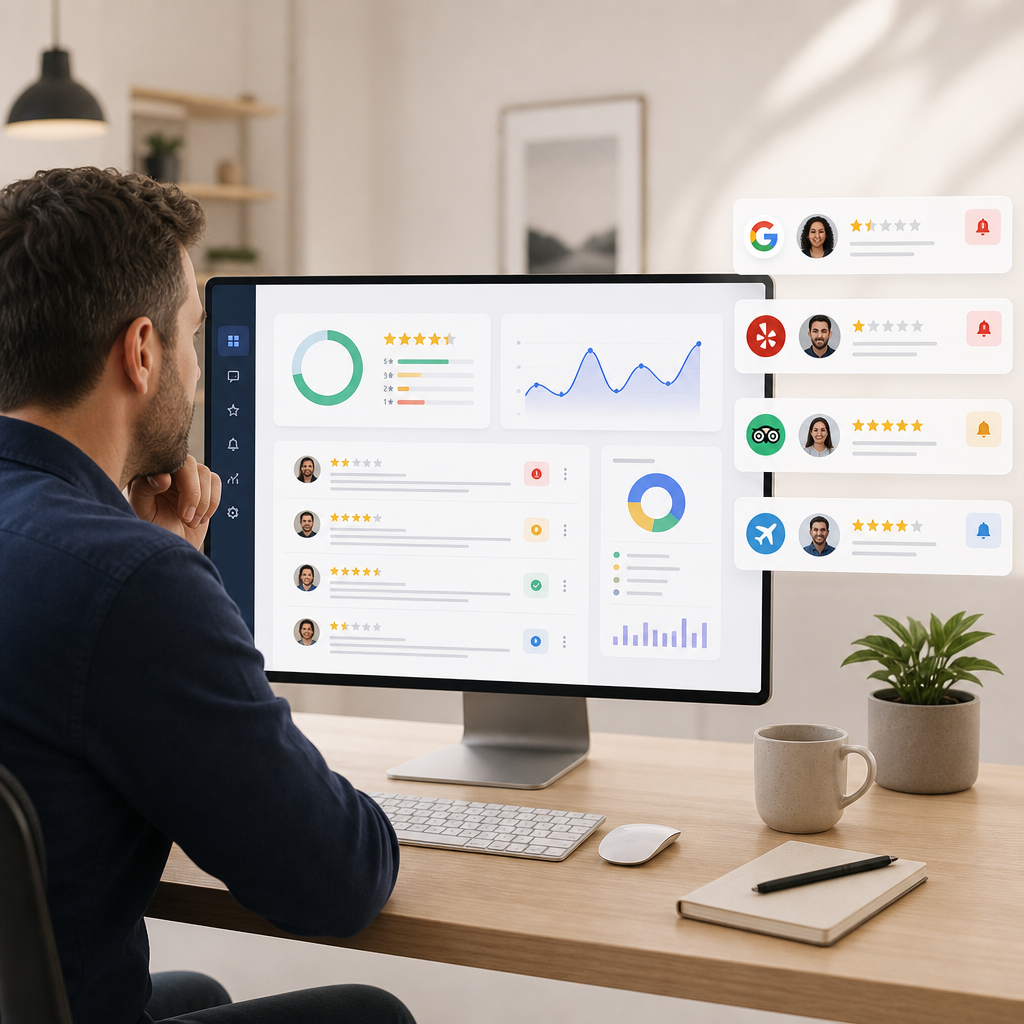
Review Bombing After Viral Posts: What Local Businesses Should Do Now
A single TikTok, news story, Reddit thread, or local Facebook post can send strangers to a business's review profiles within hours. The issue is not legitimate criticism from customers. It is off-topic review activity from people who never visited, bought, booked, or spoke with the business.
Platform data shows this is no longer a fringe problem. Yelp's 2025 Trust & Safety Report reported a 58% year-over-year increase in Unusual Activity Alerts and Public Attention Alerts on business pages, with more than 80,000 reviews removed. Yelp also said 75% of those incidents came from review activity tied to viral social media posts. Google, for its part, says Maps reviews must reflect a genuine experience and that off-topic political or social commentary is not allowed. Google also said it blocked or removed more than 240 million policy-violating reviews in 2024.
For SMB owners and local marketers, the practical lesson is simple: review monitoring now has to include incident response.
Why Review Bombing Hurts Local SEO And Conversion
Review bombing can damage a business even when platforms eventually remove the worst content. Prospects rarely wait for a moderation process to finish. BrightLocal's 2026 Local Consumer Review Survey found that 97% of consumers read reviews for local businesses, and the average consumer uses six different review sites when choosing a business.
That multi-platform behavior matters. A viral review spike on Yelp may push a customer to Google, Facebook, Tripadvisor, or an industry-specific site for confirmation. If the same talking points appear everywhere, the business can look risky even before anyone checks whether the reviewers were real customers.
Recency makes the risk sharper. BrightLocal found that 74% of consumers care about reviews written in the last three months, and 31% will only use a business with a rating of 4.5 stars or higher. A short burst of low-rated, off-topic reviews can distort the freshest slice of your reputation, which is the slice many searchers trust most.
Treat The First 24 Hours Like Evidence Collection
The first mistake is to argue with every hostile reviewer. The better move is to build a clean evidence file.
Capture the date and time the spike started, the URL of the social post or news article that appears to have triggered it, screenshots of suspicious reviews, repeated phrases, reviewer profile patterns, and whether each review describes a firsthand experience. Keep the notes factual. A platform moderator does not need a long defense of your brand. They need to know why a specific review violates a specific policy.
On Google, useful policy categories may include fake engagement, rating manipulation, harassment, offensive content, or off-topic content, depending on the review. Google specifically says reviews and ratings should reflect actual experiences with a business. It also lists unusual volumes or patterns of review contributions as a signal of rating manipulation.
Yelp's 2025 report describes a similar idea in operational terms: when a business gets public attention, Yelp looks for unusual spikes, may temporarily disable reviews, and may remove reviews that do not reflect firsthand customer experiences.
Respond Publicly, But Do Not Feed The Spike
A business should not ignore the situation, but a reply-by-reply fight usually gives the incident more oxygen.
For reviews that appear to come from real customers, respond normally: acknowledge the issue, give a specific next step, and move the conversation to a support channel. For reviews that clearly do not describe a real customer experience, report them through the platform rather than debating the reviewer.
If the viral post raises a real operational concern, publish a short public statement on your website, Google Business Profile posts if appropriate, and social channels. Keep it specific: what happened, what you verified, what you changed, and how customers can contact you. Avoid vague reputation language. People trust concrete details more than polished reassurance.
Do Not Try To Dilute The Damage With Risky Review Tactics
A review bombing event can tempt businesses into bad countermeasures: asking only happy customers for reviews, offering discounts for positive reviews, buying fake positives, or asking employees and relatives to post. That can turn a temporary reputation problem into a compliance problem.
The FTC's Consumer Reviews and Testimonials Rule went into effect on October 21, 2024. FTC guidance says the rule addresses deceptive and unfair conduct involving reviews and authorizes civil penalties for knowing violations. The FTC also says agencies, reputation firms, review brokers, and PR firms can be liable if they create or sell fake reviews or provide incentives tied to review sentiment.
Google's policies also prohibit paid or incentivized reviews, discouraging negative reviews, selectively soliciting positive reviews, and asking reviewers to include specific content. The safest recovery path is boring but durable: report policy violations, keep serving actual customers well, and ask for honest feedback only where the platform allows it.
Monitor Platforms As A System, Not One Profile At A Time
Review bombing rarely respects channel boundaries. A restaurant may see Yelp activity first, then Google. A hotel may see Tripadvisor move next. A home service business may see the discussion spread into Facebook recommendations or niche directories.
Tripadvisor's 2025 Transparency Report adds useful context for hospitality businesses: the company said it safeguarded travelers from 2.7 million fraudulent reviews in 2024, and that review boosting made up 54% of total fraud. Different platforms use different labels, but the pattern is consistent: review integrity teams are watching for coordinated behavior, fake experiences, and rating manipulation.
This is where ReviewHive fits naturally into the workflow. By aggregating reviews from multiple platforms into one dashboard, tracking rating changes, and surfacing sentiment trends, ReviewHive helps teams spot unusual review velocity before it becomes a blind spot. AI-assisted reply drafts can also help operators respond quickly to genuine customers while keeping a calm, consistent tone.
Build A Review Bombing Playbook Before You Need It
A basic playbook should define who monitors alerts, who approves public statements, who reports reviews, who replies to real customers, and who tracks platform decisions. It should also list the policy links for your most important platforms so nobody is searching under pressure.
After the spike passes, review what the event revealed. If complaints were entirely off-topic, document the removals and move on. If real customers raised a valid service issue inside the noise, fix it and mention the fix in future owner responses. Reputation defense works best when it protects both accuracy and accountability.
ReviewHive can help your team keep that discipline: one place to monitor review spikes, analyze trends, and respond faster without improvising every time attention turns your way.
Sources
- Yelp: 2025 Trust and Safety Report
- Google Business Profile Help: Prohibited and Restricted Content
- Google: New Ways AI Helps Keep Business Information Trustworthy
- BrightLocal: Local Consumer Review Survey 2026
- FTC: Consumer Reviews and Testimonials Rule Questions and Answers
- Tripadvisor: 2025 Transparency Report